
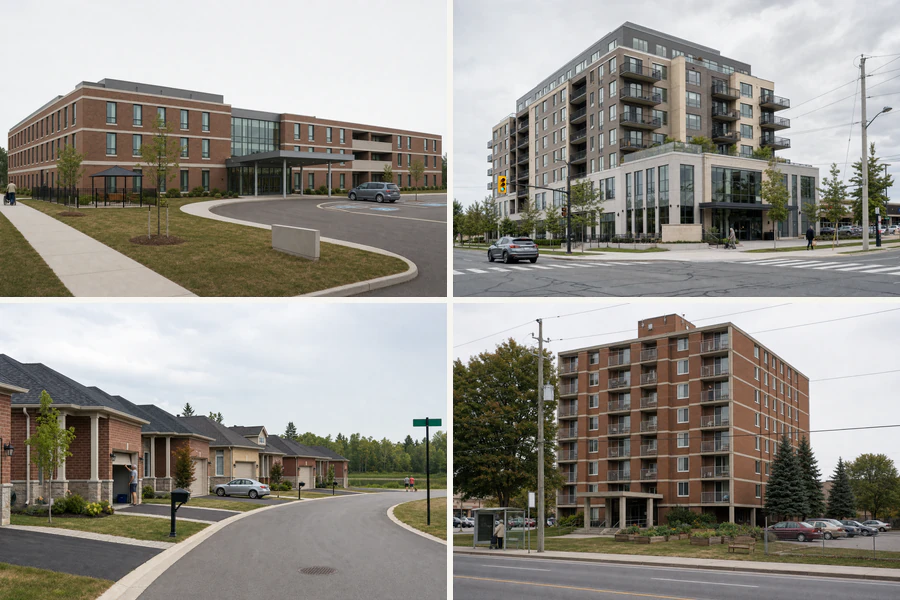
Long-term care homes, retirement residences, 55+ communities and apartment buildings for older adults get talked about as if they were four versions of one thing. They are not. Each runs on its own system, with its own way in and its own way of paying, and the differences are where families get caught out.
The way in is the part that matters most. Long-term care is reached through a provincial waitlist and cannot be bought. A retirement residence is an agreement you sign with the home itself. A 55+ community is an ordinary home purchase. An apartment for older adults is usually rent, often subsidized, with a wait that can run for years. In some buildings it is a life lease, which is a purchase.
Mix them up and the cost is real. A family can spend months on the wrong list, budget for rent when they are actually looking at a purchase, or plan around a starting rate that leaves out the care they need. Here is how each of the four works, in plain terms: what it is, who it is generally for, how you get in, and how it is paid for.
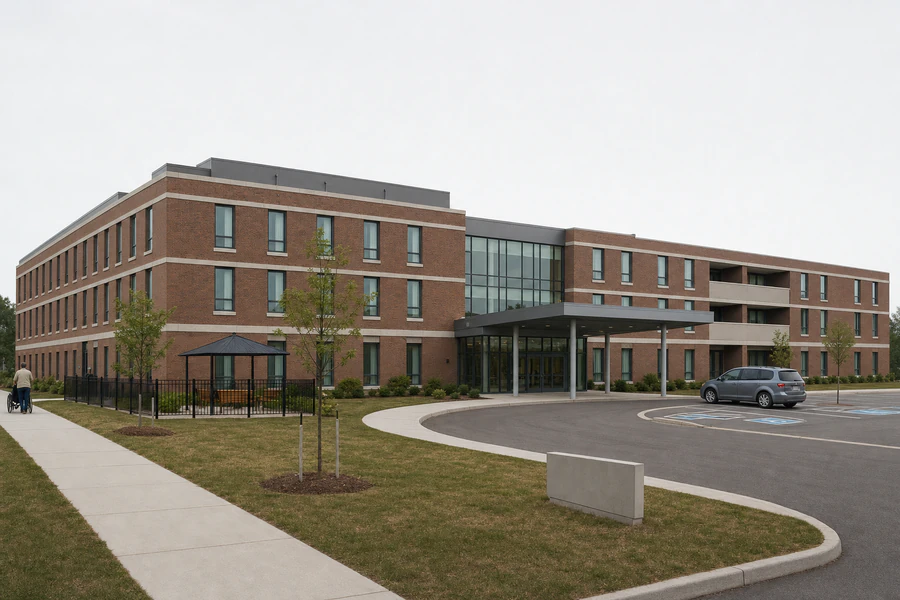
Long-term care
What it is. A nursing home, in the everyday sense of the words. 24-hour nursing and personal care in a building licensed and funded by the province.
Who it is generally for. People who need daily help or nursing care that can no longer reasonably be arranged at home.
How you get in. Placement runs through Ontario Health atHome. You apply, get assessed, choose up to five homes, and wait. You cannot buy your way in, and a real estate brokerage has no part in it.
How it is paid for. The province funds the care. You pay a daily rate for room and board that the province sets, and a subsidy is available if the basic rate is more than you can afford.
See the long-term care homes in our GTA directory
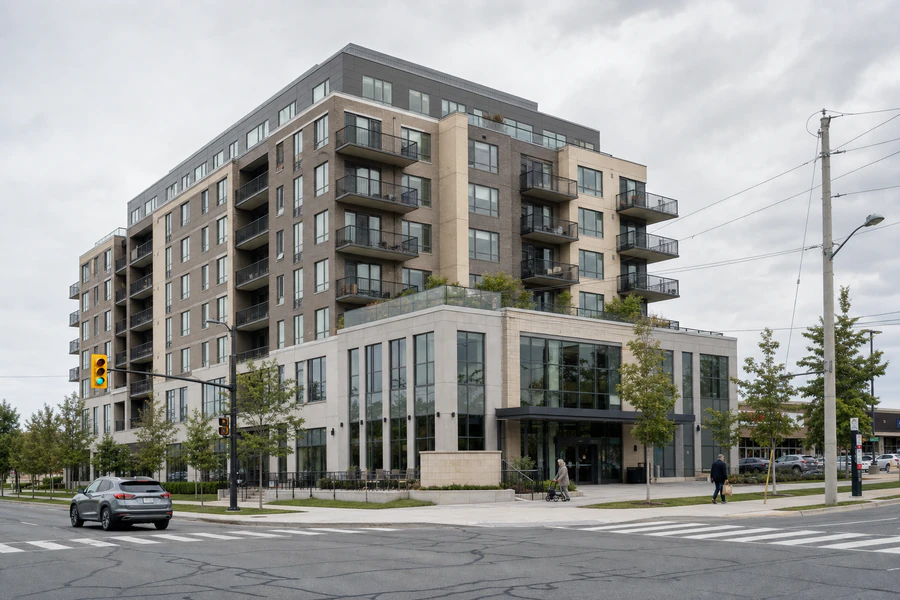
Retirement residences
What it is. A private building licensed by the Retirement Homes Regulatory Authority. The range is wide, from independent living with meals to assisted living and memory care.
Who it is generally for. People who want meals, housekeeping and some support on hand, and can pay for it themselves.
How you get in. You sign an agreement with the home, not a waitlist. Many can take you within weeks.
How it is paid for. Private pay, monthly. The cost swings with how much care is included, and care is usually billed on top of the rent. Ask for the full monthly figure with the care you actually need, not the starting rate.
See the retirement residences in the directory
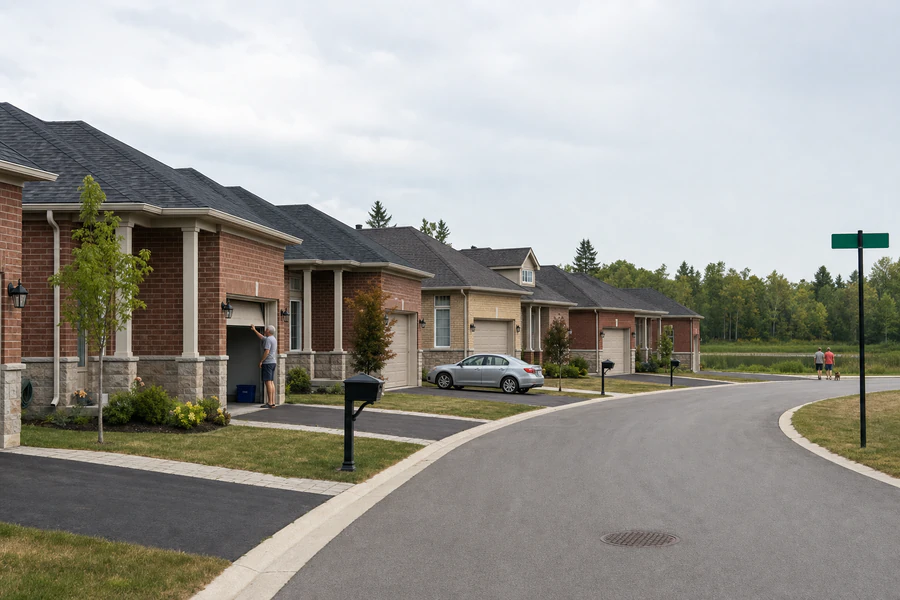
55+ ownership communities
What it is. Bungalow, townhome and apartment communities restricted by age. On the surface, ordinary real estate.
Who it is generally for. People who want their own home with less upkeep, and are not looking for care.
How you get in. You buy it, from the builder or through a REALTOR®, the same as any home.
How it is paid for. With a purchase. Freehold, condo, land lease and life lease all appear in this group, and the structure changes how you finance it and how you sell it later. That is covered below, and it is worth reading before you fall for a model home.
See the 55+ communities in the directory
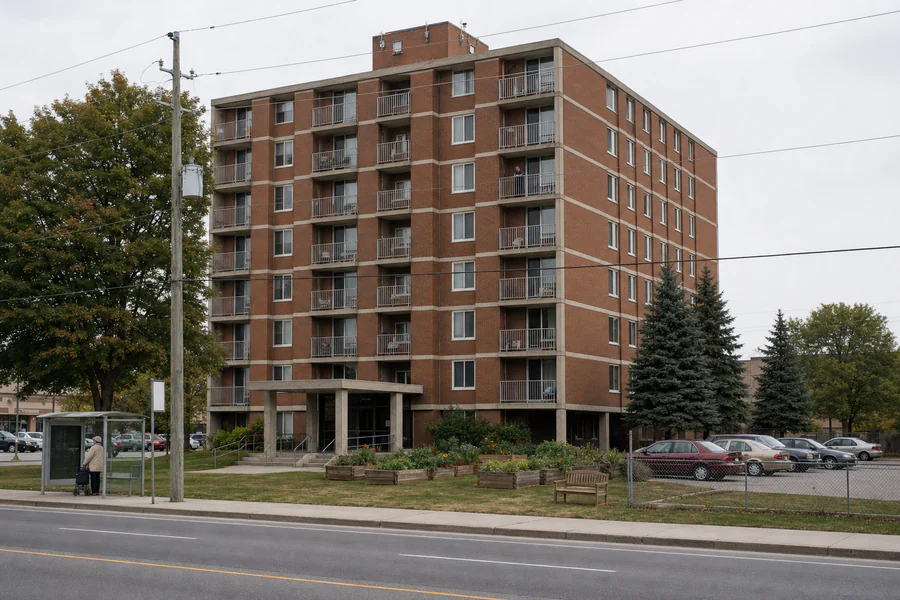
Independent apartment options
What it is. Apartment buildings for older adults who live on their own. Two different things sit here. Rental and subsidized housing, where you rent, often at a rent geared to your income. And life lease, where you buy the right to live in a unit for life. A life lease is a purchase, not a kind of rent.
Who it is generally for. People who can manage on their own, often on a fixed income, and want a building where the neighbours are at a similar stage of life.
How you get in. Rent-geared-to-income runs on each region’s central waitlist, and the waits are measured in years. Non-profit and affordable buildings usually take applications directly. Life lease buildings sell units.
How it is paid for. Rent, often subsidized to about 30% of your income. Or, for life lease, a purchase price plus a monthly fee.
See the apartment options in the directory
The part that costs people money
Across the 55+ and apartment groups, four ownership structures show up. They are not interchangeable, and the difference is usually financial.
Land lease
You own the home and lease the lot under it, with a monthly fee for the land. Many lenders will not write a standard mortgage on a land lease home, so sort out the financing before you fall in love with one. The ones in our directory all sit outside the city, in Innisfil, Cookstown, New Tecumseth, Sutton and Newcastle.
Life lease
You buy the right to occupy a unit, not the title to it. Resale is usually controlled by the sponsor, there is often a fee on resale, and any gain in value may be capped by a formula. Read the agreement before an offer goes in, not after.
Freehold and condo
Ordinary ownership, ordinary financing. In a 55+ community, check what the monthly fee covers and whether the age rule is actually in the condo declaration or only in the marketing.
Show the freehold and condo places
Rent-geared-to-income and affordable rental
Subsidized rental. Each region runs its own centralized waitlist: York Region, Toronto (MyAccesstoHousingTO), Durham (DASH), Halton (HATCH) and Peel each have one. Waits are measured in years, so apply early rather than at the point of need. Affordable rental buildings charge below market rent without a full subsidy and usually take applications directly.
Show the subsidized and affordable rentals
Which one, then?
Not sure which of these fits? That is the normal starting point. A list tells you what exists. It cannot tell you what suits your situation, your timing or your budget, and none of the above is legal, financial or medical advice. If it would help to talk it through with someone who has walked families through all four, get in touch. We are happy to do that whether or not there is a house to sell at the end of it.